

Understanding Your Moving Needs: The First Step to a Smooth Transition Establishing Your Timeline: How Much Time Do You Really…
In Singapore’s fast paced and digitally connected lifestyle, many people now blend different types of training to stay consistent throughout…
Why Singaporeans Need a Home-to-Gym Fitness Framework Many people in Singapore struggle to stay consistent with fitness because their day-to-day…
The exterior of a building plays a crucial role in defining its aesthetic appeal, functionality, and longevity. Whether it’s a…
Interior design is an art form that involves more than just arranging furniture and choosing colors—it is about creating environments…
A successful office space design is based on the needs of the company and its employees. The layout should enhance…
Understanding Your Moving Needs: The First Step to a Smooth Transition Establishing Your Timeline: How Much Time Do You…
In Singapore’s fast paced and digitally connected lifestyle, many people now blend different types of training to stay consistent…
Why Singaporeans Need a Home-to-Gym Fitness Framework Many people in Singapore struggle to stay consistent with fitness because their…
In industries where working at height is a daily reality, safety and practicality go hand in hand. Whether it’s…
Relocating from New York to Florida can be both an exciting adventure and a logistical challenge. Whether you are…
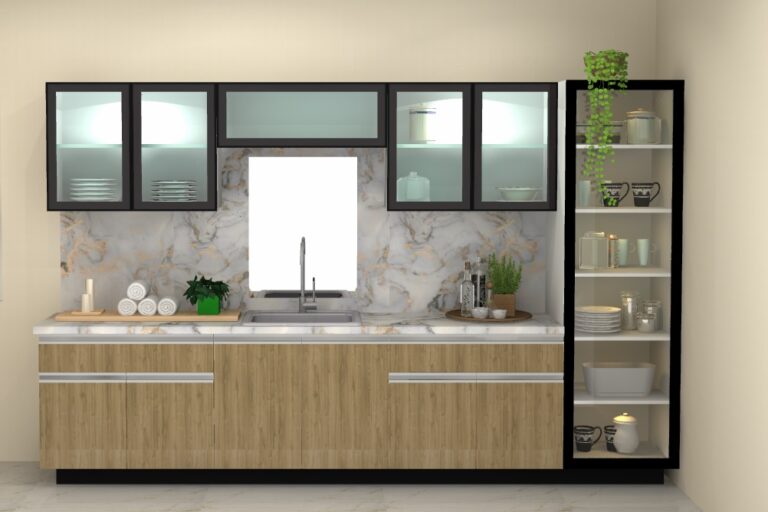
The kitchen is often referred to as the heart of the home, and for good reason. It serves as more than just a space for cooking; it’s where families gather, conversations flow, and memories are made. Whether you’re a professional chef or someone who enjoys the occasional meal prep, the kitchen must be both functional and aesthetically pleasing. Modern kitchen design encompasses a mix of practicality, style, and advanced technology to create an environment that is both enjoyable and efficient. In this comprehensive guide, we explore the critical aspects of kitchen design, from layout to materials, and share practical tips for creating the perfect culinary space.
The Evolution of Kitchen Design: From Functional to Beautiful Spaces
Historically, the kitchen was a purely functional room, relegated to the back of the house with little attention to aesthetics or layout. Over time, however, the kitchen has become a more integral part of the home, often designed to be open, airy, and a central gathering place. The evolution of kitchen design can be broken down into several key phases.
The Traditional Kitchen: Practicality First
In the past, kitchens were designed with efficiency and practicality in mind. The main focus was on maximizing storage and minimizing the time spent preparing meals. These kitchens often had limited counter space and were isolated from other parts of the home. However, even in their simplicity, these kitchens laid the foundation for modern design principles.
The Rise of Open Concept Kitchens
The late 20th century saw a significant shift in how kitchens were perceived. The open concept kitchen became a popular trend, reflecting the changing dynamics of home life. Open concept kitchens allowed for better interaction among family members, as the kitchen was no longer a secluded space. The open layout not only encouraged socializing but also integrated the kitchen with living areas, creating a more inviting atmosphere for entertaining.
Modern Kitchens: A Balance of Functionality and Style
Today’s kitchens are a blend of cutting-edge technology, beautiful design, and practical functionality. With the introduction of smart appliances, energy-efficient features, and custom cabinetry, modern kitchens have become both highly functional and visually stunning. The design now reflects personal style, with many homeowners opting for custom finishes, eco-friendly materials, and innovative layouts that enhance both convenience and aesthetic appeal.
Key Considerations for Kitchen Design
Creating the perfect kitchen involves more than just choosing the right cabinets or countertops. Several key factors must be considered to ensure that the space is not only visually appealing but also highly functional.
1. Kitchen Layout: Maximizing Space and Flow
The layout of a kitchen is critical to its functionality. A well-planned layout ensures that the kitchen can be used efficiently, whether you’re preparing a family meal or hosting a dinner party. The layout should enhance the flow between different work areas and allow easy access to cooking equipment, storage, and cleaning zones.
- The Work Triangle: The work triangle is a fundamental principle in kitchen design. It refers to the optimal placement of the three main work areas: the stove, sink, and refrigerator. The goal is to ensure that these areas are efficiently spaced, allowing for easy movement and minimizing unnecessary steps while cooking.
- Common Layouts:
- U-Shape: This layout features three walls of cabinetry, offering ample counter space and storage.
- L-Shape: An L-shaped kitchen design is ideal for smaller spaces, with two adjacent walls of cabinetry and an open layout.
- Island Layout: The addition of a kitchen island adds extra workspace and often doubles as a dining area or bar, enhancing both functionality and social space.
- Galley Kitchen: Popular in smaller homes or apartments, the galley layout features two parallel countertops and is best for one or two people cooking at once.
2. Storage: Keeping Things Organized
A cluttered kitchen is not only aesthetically unpleasing but can also make meal preparation a cumbersome task. Ample storage is essential in maintaining a tidy, functional kitchen.
- Cabinetry: Custom cabinetry is often the best solution for optimizing storage. Modern kitchens can include pull-out shelves, deep drawers for pots and pans, and built-in dividers to keep items neatly organized.
- Pantries: A pantry is a valuable addition to any kitchen. Walk-in or pull-out pantries provide additional space for dry goods and help to keep the countertops free of clutter.
- Vertical Storage: Maximizing vertical space is especially important in smaller kitchens. High cabinets, open shelving, and hanging storage racks can help keep essentials within easy reach while saving floor space.
3. Counter Space: Where Function Meets Style
Counter space is one of the most important elements in kitchen design. It serves as the area for food preparation, cooking, and even socializing. A lack of counter space can hinder workflow and make cooking tasks more difficult.
- Material Selection: Countertops come in a wide variety of materials, each with unique benefits. Granite and marble offer timeless elegance, while quartz provides durability and a sleek, low-maintenance option. Concrete countertops offer an industrial aesthetic, and butcher block can add warmth to a rustic or farmhouse-style kitchen.
- Work Zones: A kitchen should have clearly defined work zones to increase efficiency. Designating areas for food preparation, cooking, and cleanup ensures that tasks flow seamlessly. For example, placing the sink and dishwasher near the prep area allows for easy cleanup after cooking.
4. Lighting: Creating Ambiance and Functionality
Lighting is an essential component of kitchen design. Proper lighting enhances functionality, creates ambiance, and highlights design features.
- Task Lighting: Task lighting focuses on work areas such as the sink, stove, and countertops. Under-cabinet lighting is an excellent option for illuminating work surfaces, ensuring you can see clearly while chopping, slicing, or mixing ingredients.
- Ambient Lighting: This type of lighting provides overall illumination for the kitchen. Overhead ceiling lights, pendant lights, or recessed lighting are all popular choices that can provide even light throughout the room.
- Accent Lighting: Accent lighting highlights specific design elements, such as artwork, architectural features, or the kitchen island. Pendant lights over the island or decorative sconces on the walls create visual interest and enhance the room’s aesthetic appeal.
5. Appliances: Integrating Technology for Modern Kitchens
Smart appliances are becoming an essential part of modern kitchen design. These appliances improve efficiency, reduce energy consumption, and often come with advanced features that make cooking easier.
- Energy Efficiency: Energy-efficient appliances help reduce energy consumption and lower utility bills. Look for appliances that have Energy Star ratings, indicating they meet the highest energy efficiency standards.
- Smart Kitchens: Smart refrigerators, ovens, dishwashers, and even faucets can be controlled via smartphone apps. These appliances offer features like remote temperature control, automated cooking settings, and alerts when supplies are running low.
- Built-In Appliances: Built-in appliances such as ovens, microwaves, and dishwashers create a seamless, integrated look, allowing for a cleaner, more streamlined design.
Trends in Kitchen Design
The world of kitchen design is constantly evolving, with new trends emerging each year. Today’s kitchens are a blend of modern technology, sustainable materials, and personalized aesthetics.
1. Sustainable Kitchen Design
Sustainability is a significant trend in kitchen design, driven by a growing awareness of environmental impact and the desire for eco-friendly living.
- Sustainable Materials: Bamboo, reclaimed wood, and recycled materials are being used in cabinetry, flooring, and countertops to reduce the carbon footprint of kitchen renovations.
- Water Conservation: Low-flow faucets, water-efficient dishwashers, and smart irrigation systems are helping homeowners conserve water while maintaining functionality.
- Energy-Efficient Appliances: The use of energy-efficient, smart appliances helps minimize energy consumption and reduce waste.
2. Bold Colors and Textures
While white and neutral kitchens remain popular, bold colors are making their way into modern designs. Navy blue, forest green, and even black are being used for cabinetry, backsplashes, and accent walls to create dramatic and stylish spaces.
- Textured Finishes: Textured surfaces such as matte finishes, hammered metal, and concrete are gaining popularity for countertops, cabinetry, and backsplashes, adding depth and interest to kitchen designs.
3. Open Shelving
Open shelving continues to be a popular choice for modern kitchens. This trend allows homeowners to display their favorite kitchenware, plants, and decorative pieces while keeping everyday items easily accessible.
- Practical Use: Open shelving works well in smaller kitchens, where cabinets might overwhelm the space. It can also help in creating a more airy and open atmosphere in larger kitchens.
4. Smart and Multifunctional Layouts
Modern kitchens are incorporating more multifunctional layouts to suit today’s fast-paced, multitasking lifestyles.
- Island Workstations: Islands are no longer just for food prep; they now often include built-in appliances such as dishwashers, wine coolers, or sinks, allowing for multiple tasks to be completed simultaneously.
- Flexible Spaces: Modular furniture and movable cabinetry allow kitchens to adapt to different needs, making them more versatile for cooking, dining, and entertaining.
Frequently Asked Questions
How do I choose the right layout for my kitchen?
The layout of your kitchen should reflect the size of the space, your cooking style, and how you plan to use the kitchen. Consider the work triangle principle, which suggests placing the sink, stove, and refrigerator at optimal distances for easy movement. Popular layouts include U-shape, L-shape, and island designs, depending on your space.
What materials are best for kitchen countertops?
Granite, quartz, and marble are popular choices for their durability and aesthetic appeal. Quartz offers low maintenance, while granite and marble add natural beauty. For a more rustic look, butcher block or concrete countertops can be used to add warmth and texture.
How can I make my kitchen more energy-efficient?
Choose Energy Star-rated appliances, use LED lighting, and install low-flow faucets to reduce energy and water consumption. Consider using insulated cabinets and energy-efficient windows to keep the space comfortable year-round.
What are the benefits of open shelving in the kitchen?
Open shelving provides easy access to items, adds a sense of openness, and allows you to display decorative items or everyday kitchen essentials. However, it requires regular cleaning and organization to avoid clutter.
How do I incorporate smart appliances into my kitchen?
Smart appliances, such as refrigerators, ovens, and dishwashers, can be controlled through smartphone apps or voice commands, offering convenience and efficiency. Look for appliances with energy-saving features, automated cooking settings, and connectivity with other smart home devices.
During the warm mid year months in the wake of a monotonous day at work, the last thing you need…
Now and again it is exceptionally exhausting when you cook in a similar kitchen. You can make it look better…

The kitchen is a significant spot where you need to cook delightful food varieties for your family members and companions. The vast majority couldn’t care less with regards to the put in and request of the kitchen that is indeed truly significant for yourself and the design of your home.
For the most part you will see that kitchens are accessible in various regions like little, enormous, medium and some place in the middle of them, which precisely enlighten you concerning the space you need for a kitchen. You will see that your kitchen is one of the for the most part utilized spaces in the entire day.
Thus, you need to put together your kitchen in pleasant way so everybody can commend you and your enhancement in the manner you coordinate your kitchen. In the kitchen you have diverse number of lodges too which are widely used to sort out your things appropriately.
As a matter of first importance you need to settle on what amount of material you have and you need to coordinate it whether in lodges or on the rack? Do you need a stove for preparing things or not and if yes what ought to be the size of the broiler.
You should toss that load of things out which are superfluous and steer clear of you and with your kitchen. There are additionally various machines like a toaster oven, juicer, barbecue and some more. Do you require that load of machines or not?
What amount glasses and dishes do you require for your every day use? It is safe to say that they are significant for your every day use or not? Regardless of whether this load of things are adequate for your every day use or not? These are on the whole the inquiries, which you need to think prior to getting sorted out your kitchen.
Numerous things are truly significant in our life and without these things you can only with significant effort build up your kitchen so you need to think intensely to coordinate your kitchen appropriately. It doesn’t bode well to surge the interaction in the event that you don’t an arrangement on the best way to put together.
So the primary thing to do is design and record how you need things coordinated. Then, at that point, separate the means you should take and the errands you need to achieve to ensure you arrange your kitchen the correct way.